About Morgan City Louisiana
Explore Morgan City & Life On The Atchafalaya
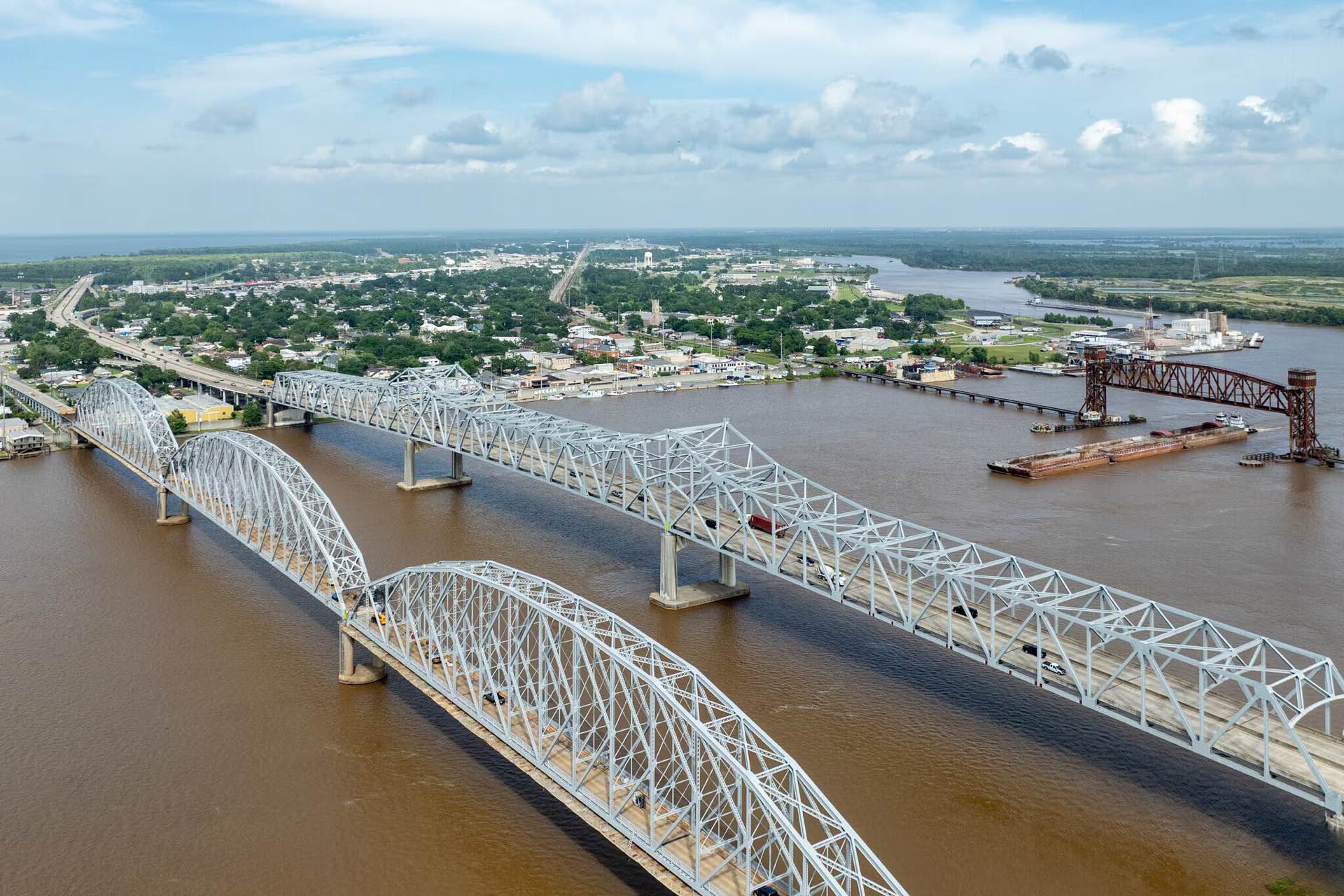
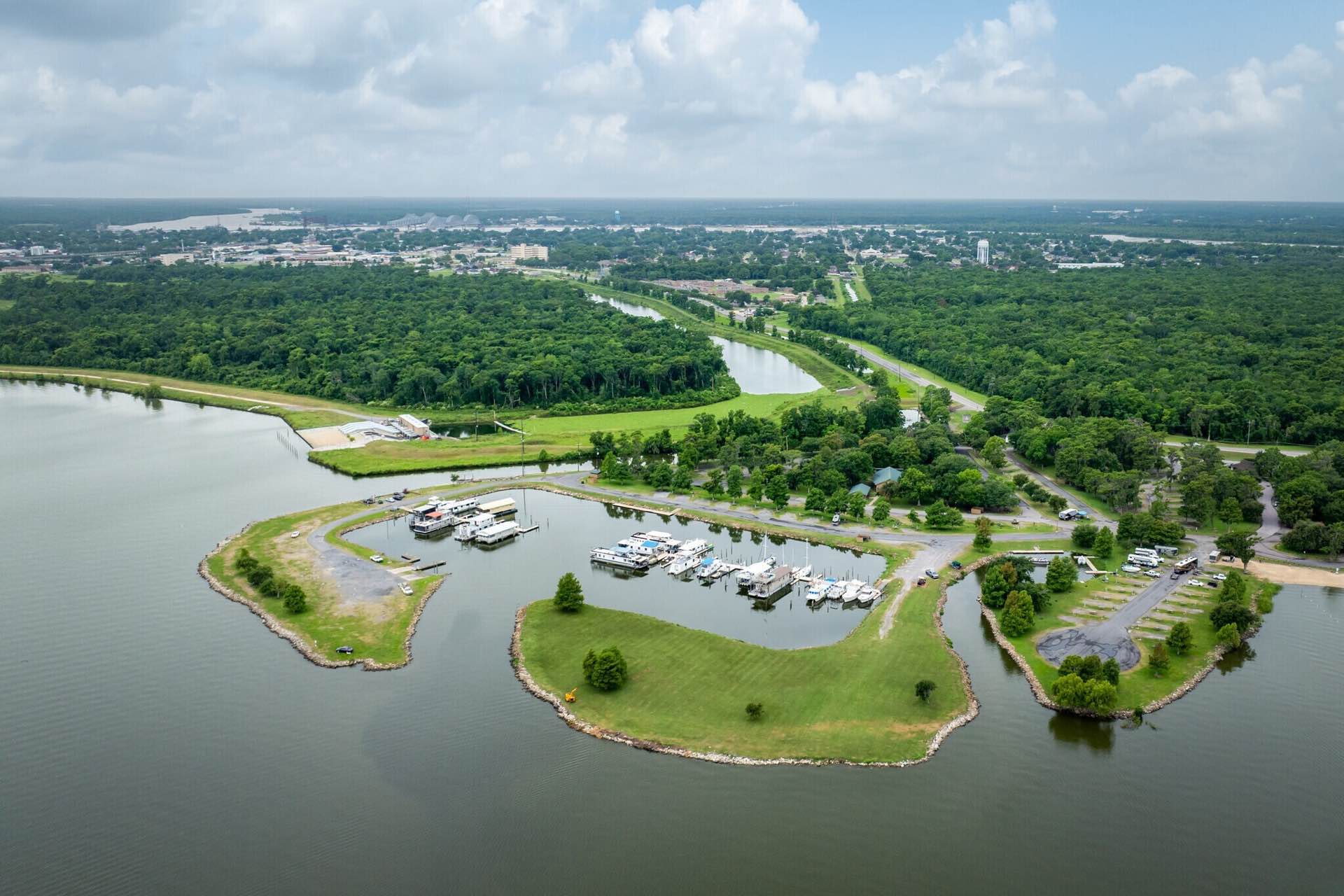
Morgan City, Louisiana, is a vibrant community nestled along the banks of the Atchafalaya River. Known for its rich history, thriving oil & gas and shrimping industries, world-class outdoor adventures, and authentic Cajun culture, Morgan City offers a unique blend of tradition, nature, and Southern hospitality.
A Storied Past
Morgan City is a vibrant community rich in history, culture and natural beauty
Steamship magnate Charles Morgan dredged the Atchafalaya Bay Channel and established the area as his base of operations.
Self-Guided TourVirtual Tours Of Morgan City
Discover Morgan City in a whole new way with an interactive mobile tour that guides you to historic sites, landmarks, and hidden gems throughout the community.
Using GPS and multimedia storytelling, the self-guided experience lets you explore at your own pace while uncovering the people, places, and moments that shaped the city.
Take the Virtual TourThe Attakapas Indians called it Atchafalaya—“long river.” Stretching more than 135 miles, the Atchafalaya River has been the lifeline shaping the history, culture, and character of Morgan City. From its earliest Attakapas inhabitants to today’s shrimping fleets and offshore energy industry, the river has provided both prosperity and challenge to generations. As its tides ebb and flow, so too has Morgan City—rising, rebuilding, and enduring. The city itself is a rich “gumbo” of French, Spanish, Italian, German, Dutch, Native American, and African American heritage, blended together by a shared devotion to faith, family, and tradition.
Originally known as Tiger Island after U.S. surveyors reported spotting an unknown wild cat, the area soon attracted Kentucky planter and surgeon Walter Brashear. When Brashear subdivided his sugar cane plantation, the first permanent settlement—Brashear—was born.
Because of its strategic location along vital waterways, Brashear played a significant role during the War Between the States. Occupied by Federal troops for more than three years, it became a staging ground for Union operations, including plans to destroy the Avery Island salt mines, cut off Confederate supply lines from Texas, and eliminate resistance in southwest Louisiana. The remains of Fort Starr still stand as a reminder of that turbulent time.
After the war, steamship and railroad magnate Charles Morgan dredged the Atchafalaya Bay Channel and established Brashear as his base of operations. The town quickly flourished as a trade center for furs, cypress timber, and seafood. In 1876, Brashear was renamed Morgan City in his honor.
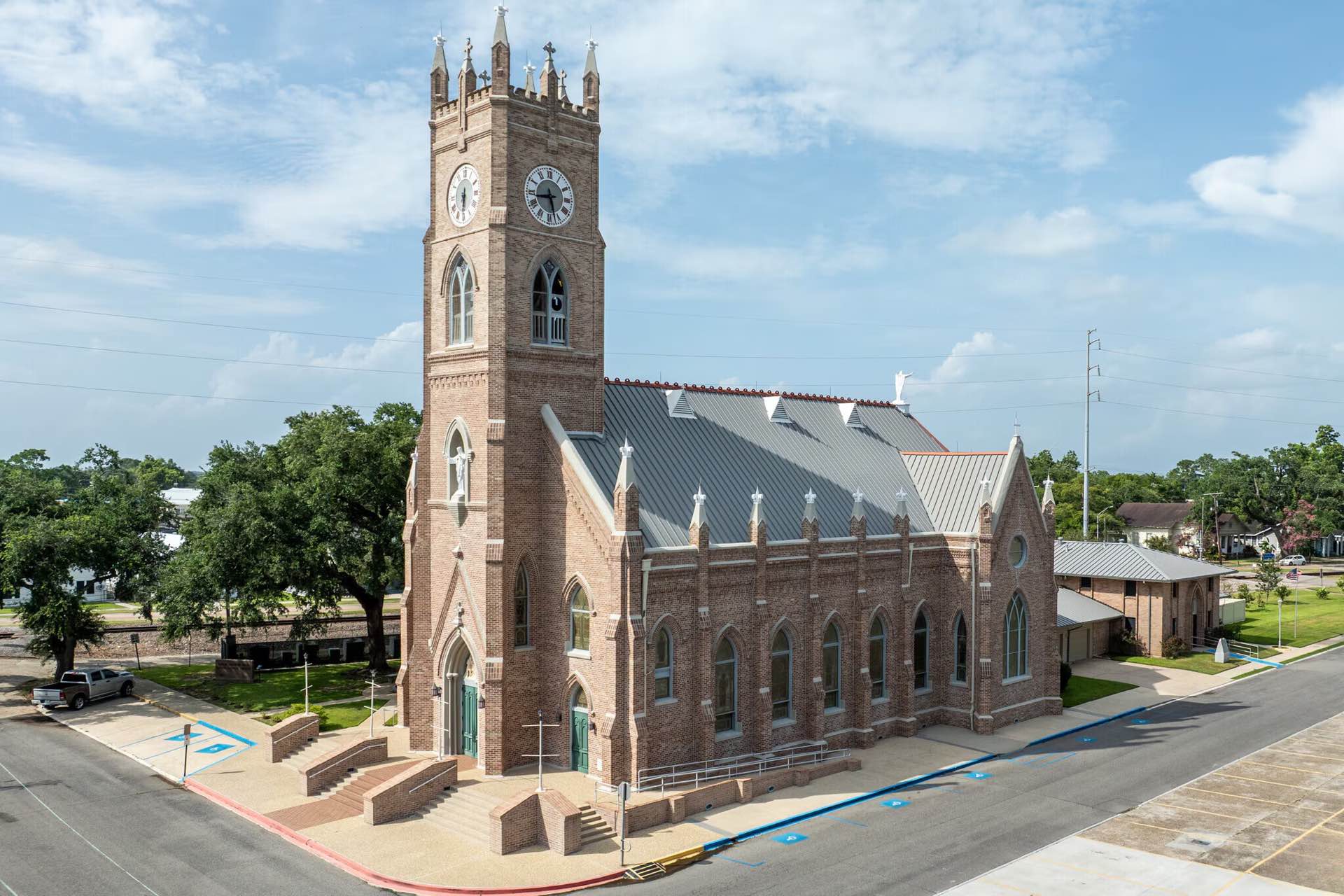
The late 1800s and early 1900s marked an era of steady growth. Many of the city’s treasured landmarks—including Sacred Heart Catholic Church, Trinity Episcopal Church, Pharr Chapel Methodist Church, and distinctive residences such as Cotten Top and the Norman-Schreier House—were constructed during this period. Industries such as boat building, moss harvesting, and shell crushing broadened the economic foundation of the community.
In 1917, Hollywood found Morgan City’s swamps an ideal stand-in for the jungles of Africa, filming the first Tarzan movie starring Elmo Lincoln. It was the first of several productions that showcased the area’s unique and untamed beauty.
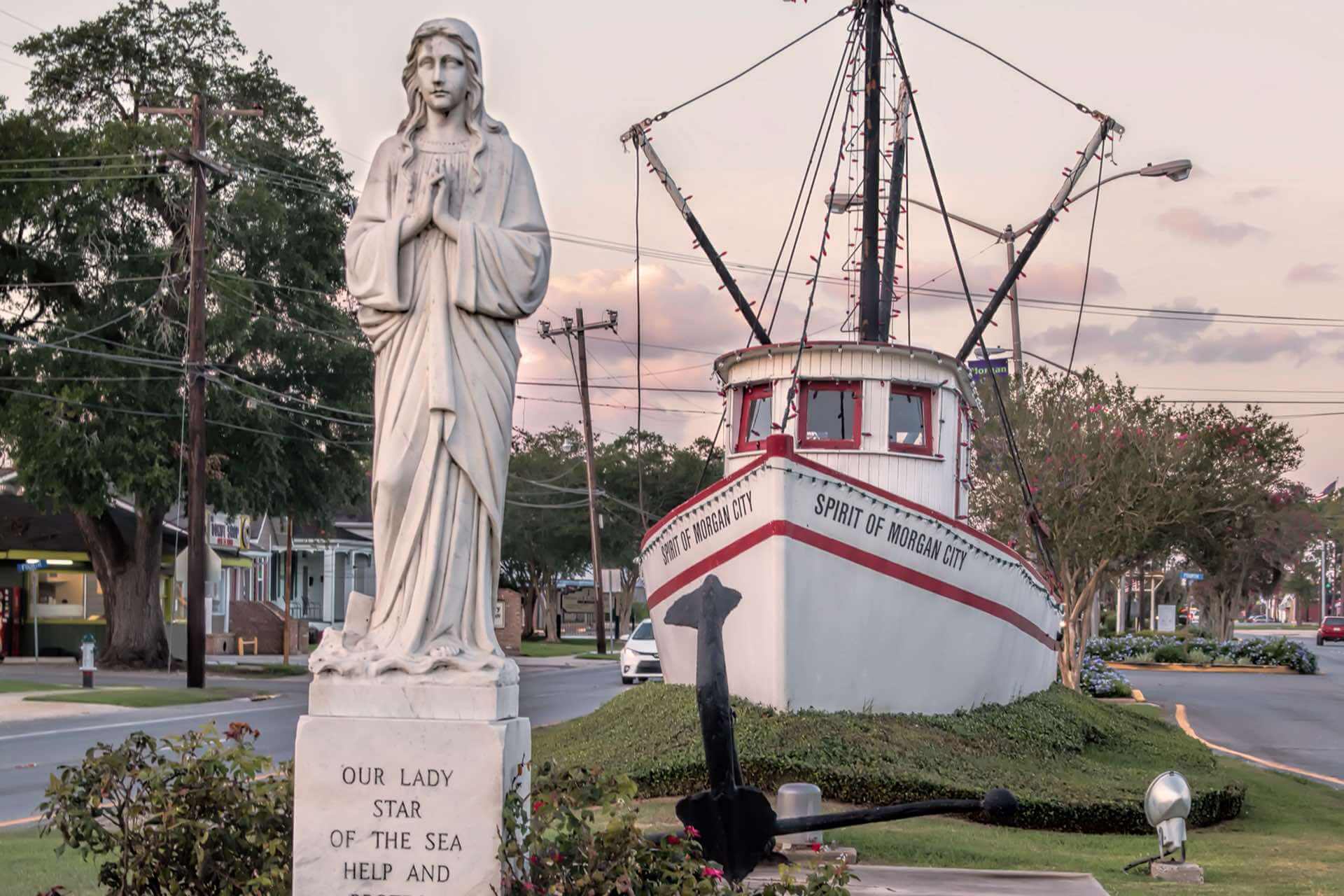
By 1937, Morgan City had earned recognition as the “jumbo shrimp capital of the world.” Deeply rooted in Catholic faith and maritime tradition, the community gathered for a Blessing of the Fleet to pray for safe voyages and bountiful harvests. The celebration continued with a Cajun fais-do-do at Egle’s Place, marking the beginning of what would become the Louisiana Shrimp Festival—now the state’s oldest chartered harvest festival.
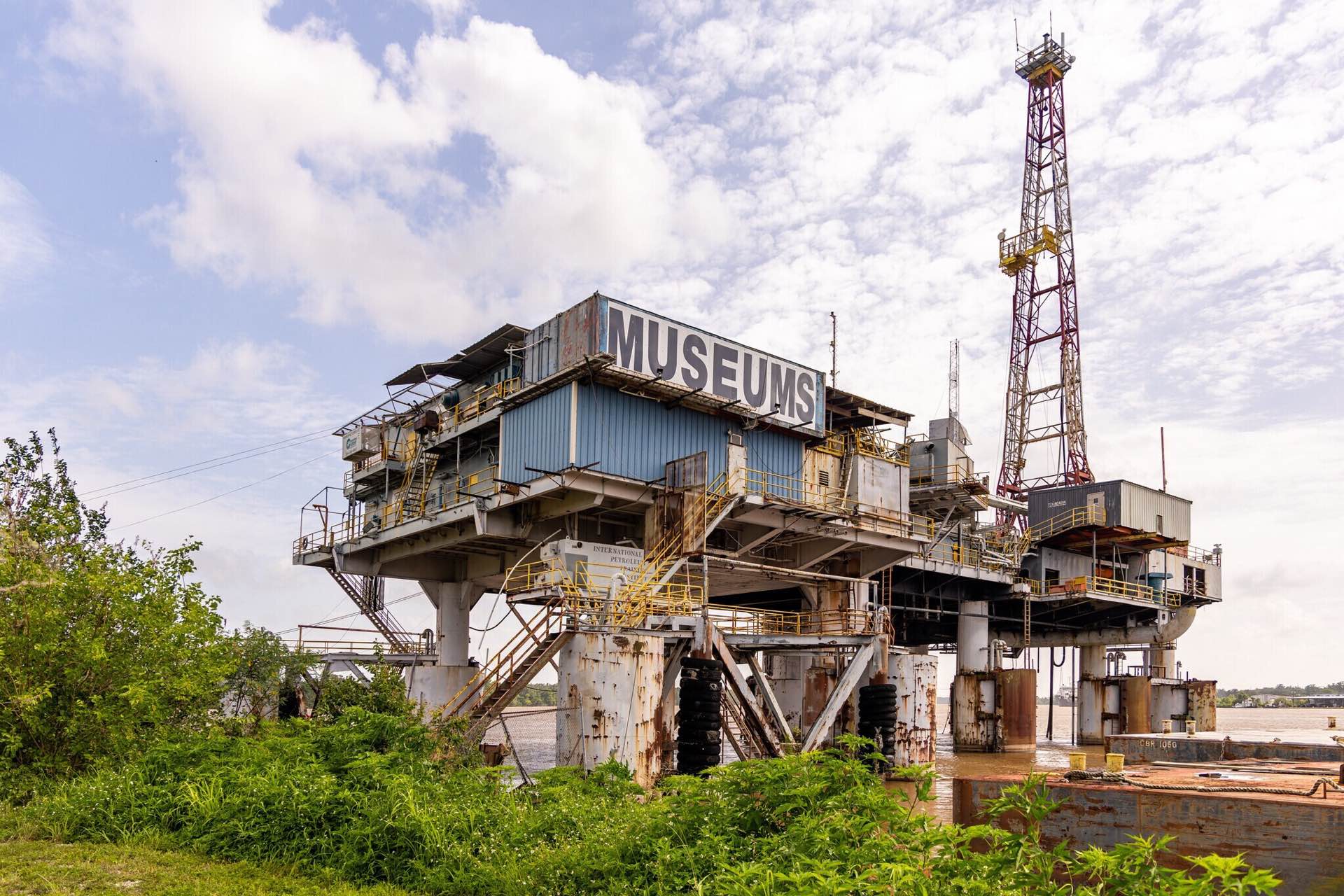
A decade later, Morgan City again made national headlines when Kerr-McGee drilled the first successful offshore oil well out of sight of land. The “black gold rush” ushered in a new era of economic growth and permanently tied the city’s future to offshore energy. In recognition of its importance, “petroleum” was added to the festival’s name. Today, the Louisiana Shrimp & Petroleum Festival is celebrated each Labor Day weekend in the historic district.
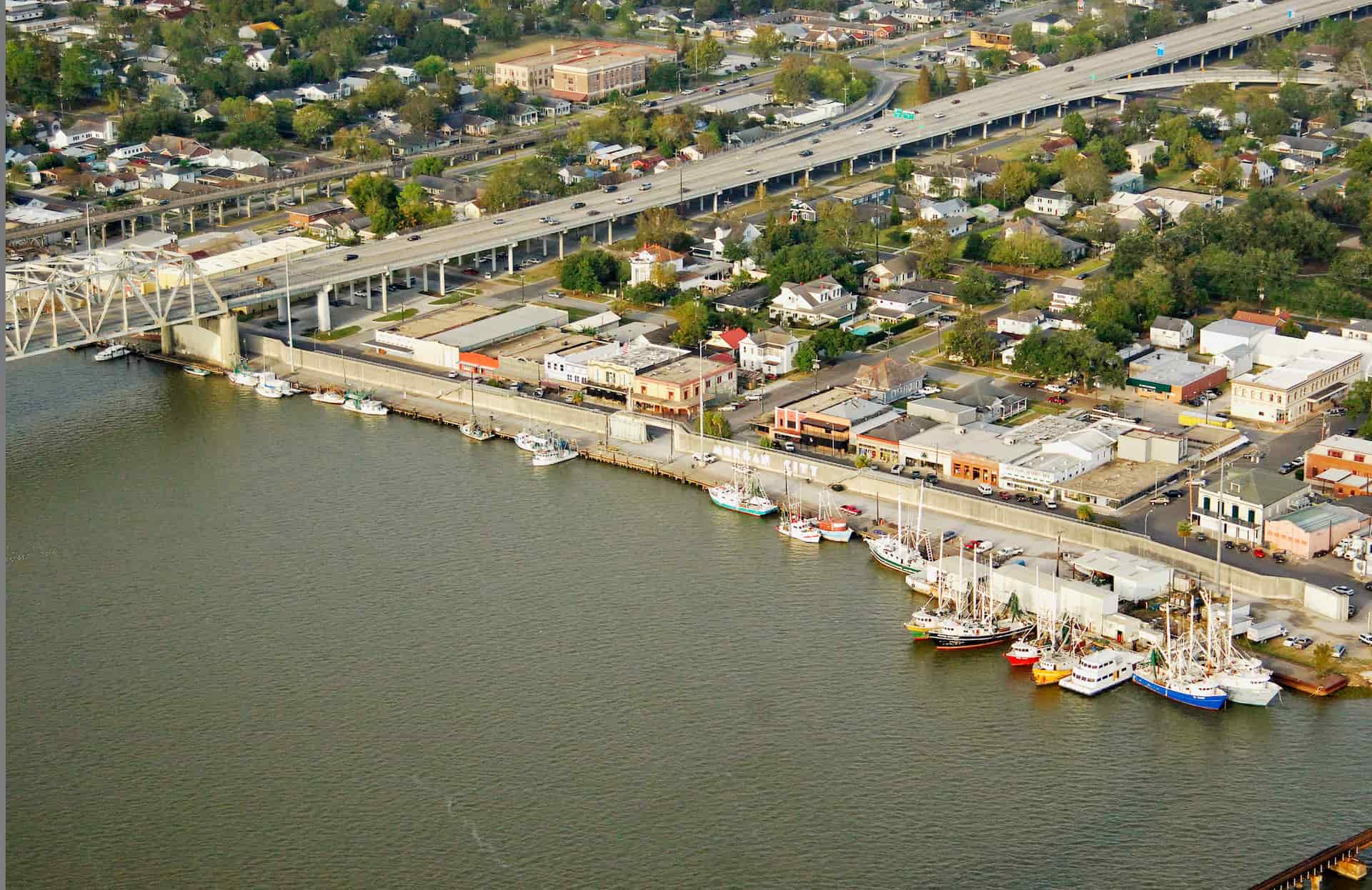
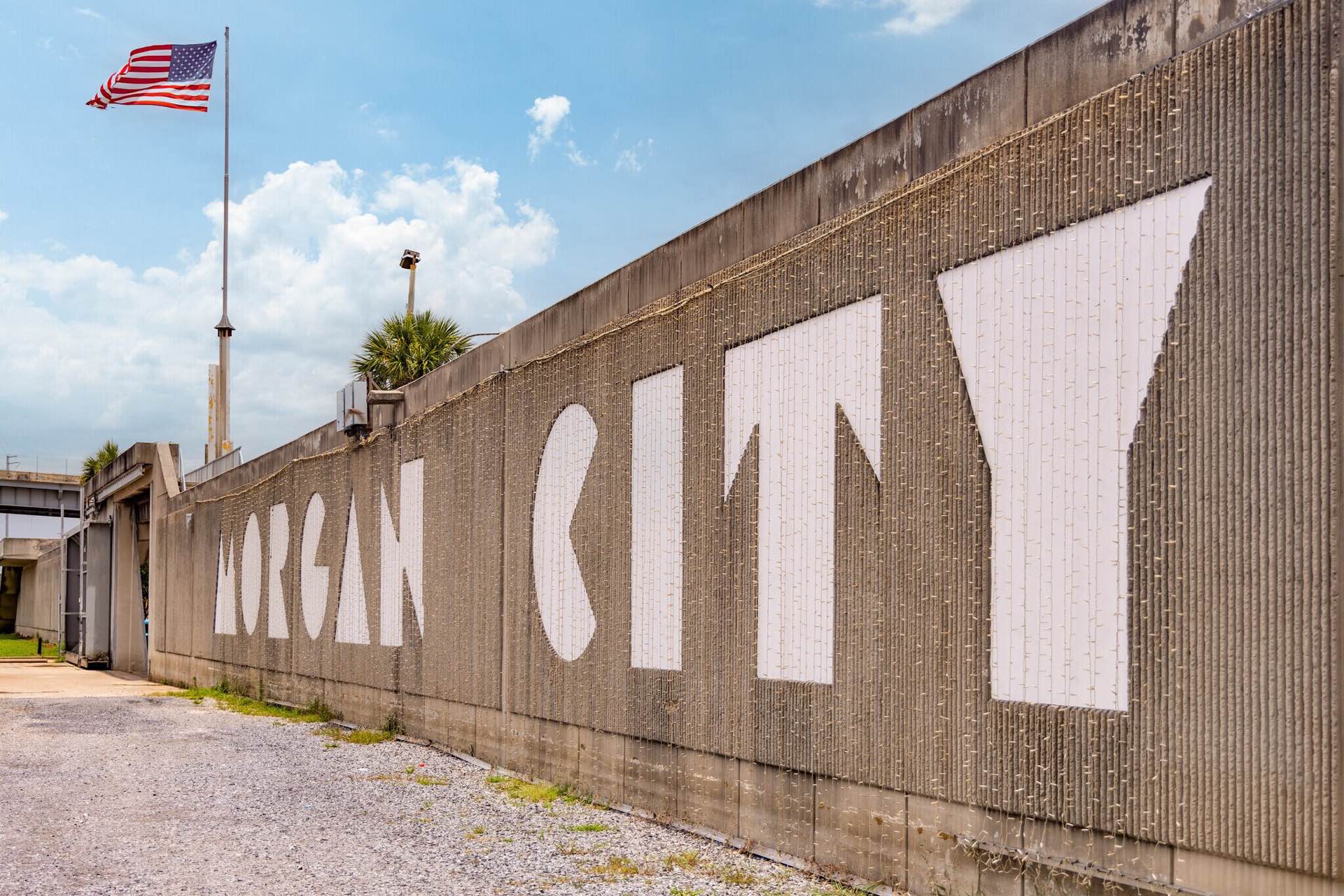
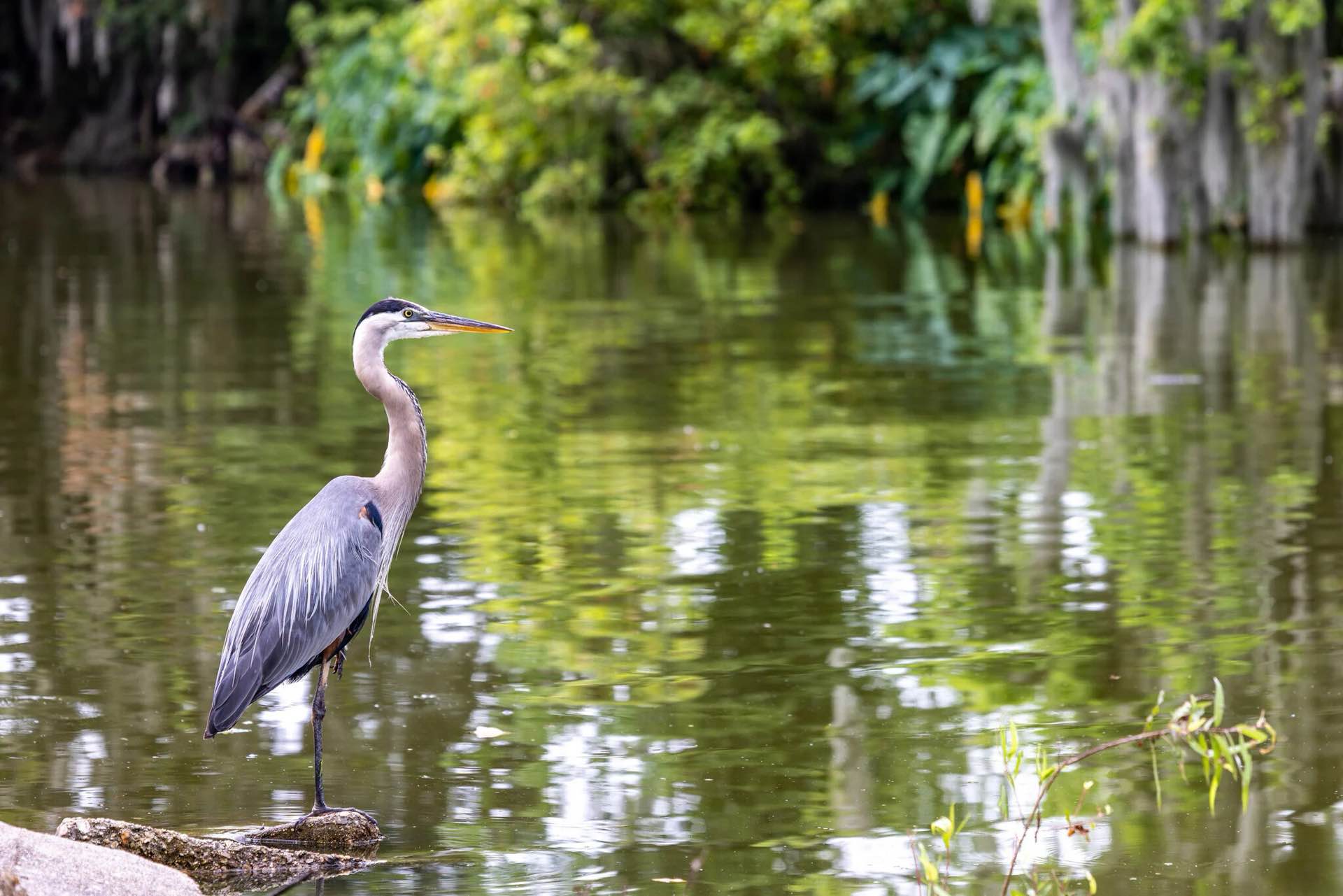
Throughout the twentieth century, the river continued to shape both the skyline and the spirit of the city. Floods tested the community’s resilience, prompting the construction of levees and floodwalls that stand as symbols of determination rather than defeat. Instead of turning away from the water, Morgan City adapted to it—strengthening its maritime expertise and deepening its connection to the Atchafalaya Basin, one of America’s most vital wetlands.
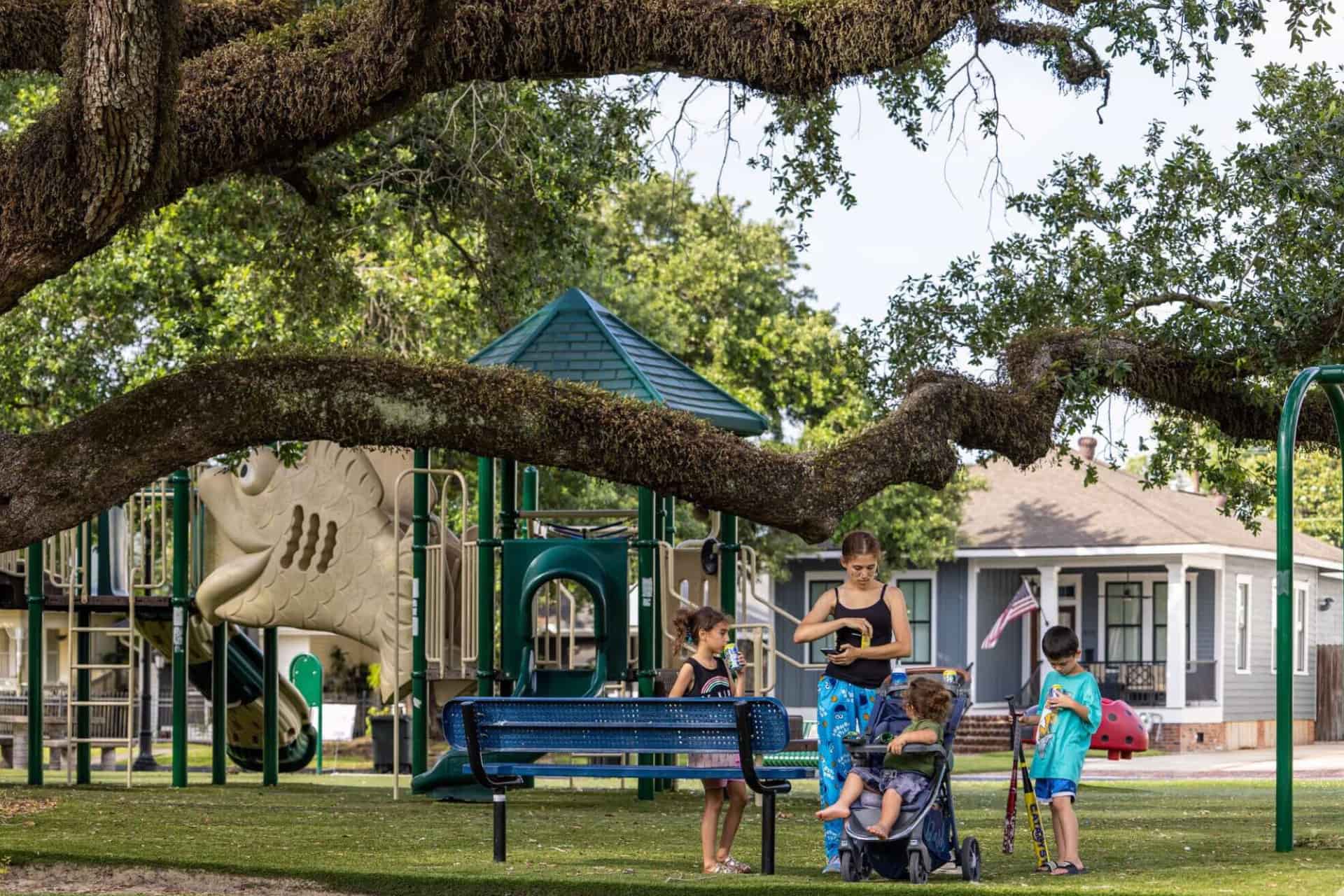
Civic pride and community leadership have remained cornerstones of local life. Generations have invested in schools, churches, small businesses, and public spaces, ensuring that progress never outpaced heritage. Festivals, parades, Friday night football games, and waterfront gatherings continue to celebrate the bonds that tie neighbors together.
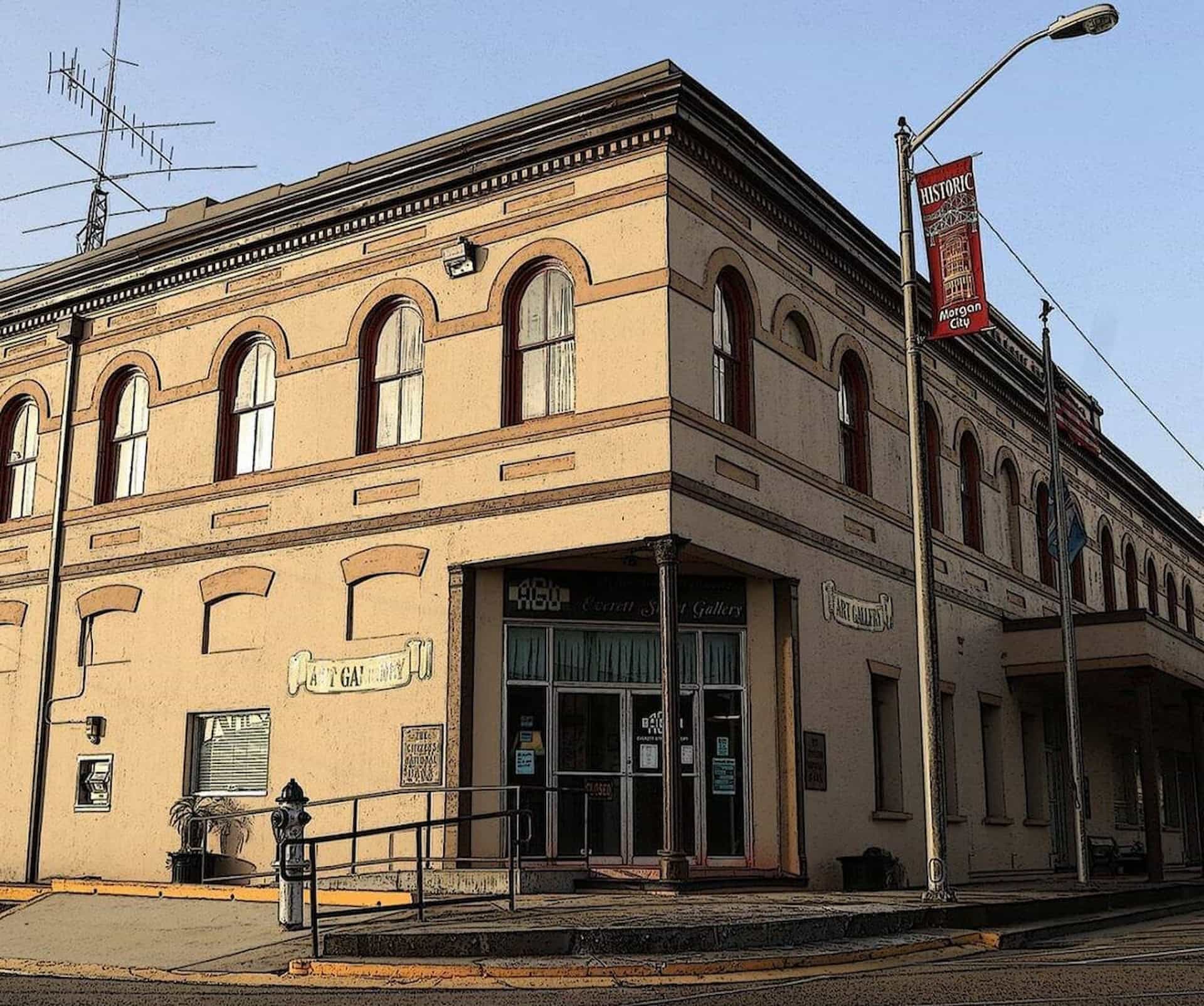
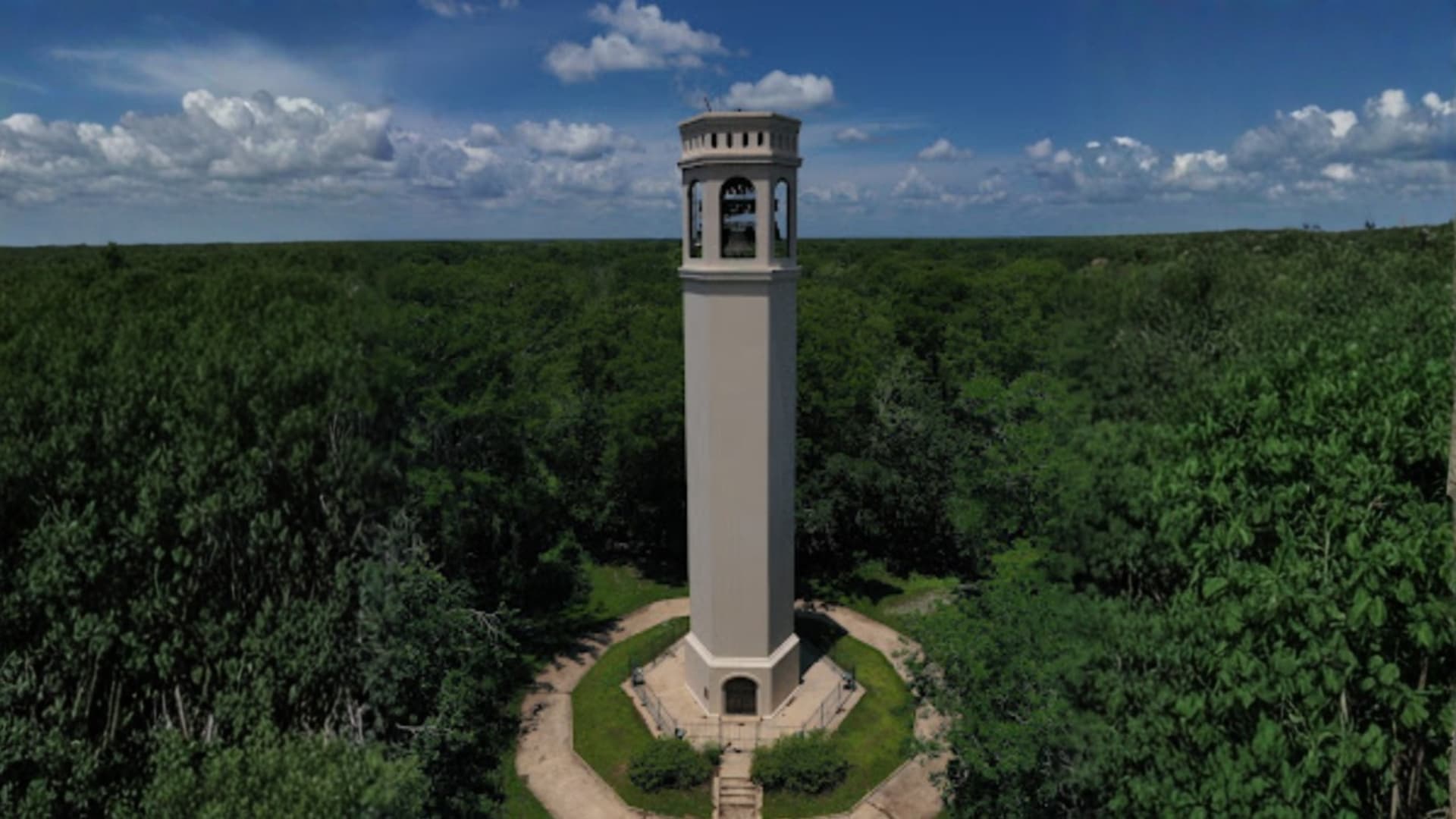
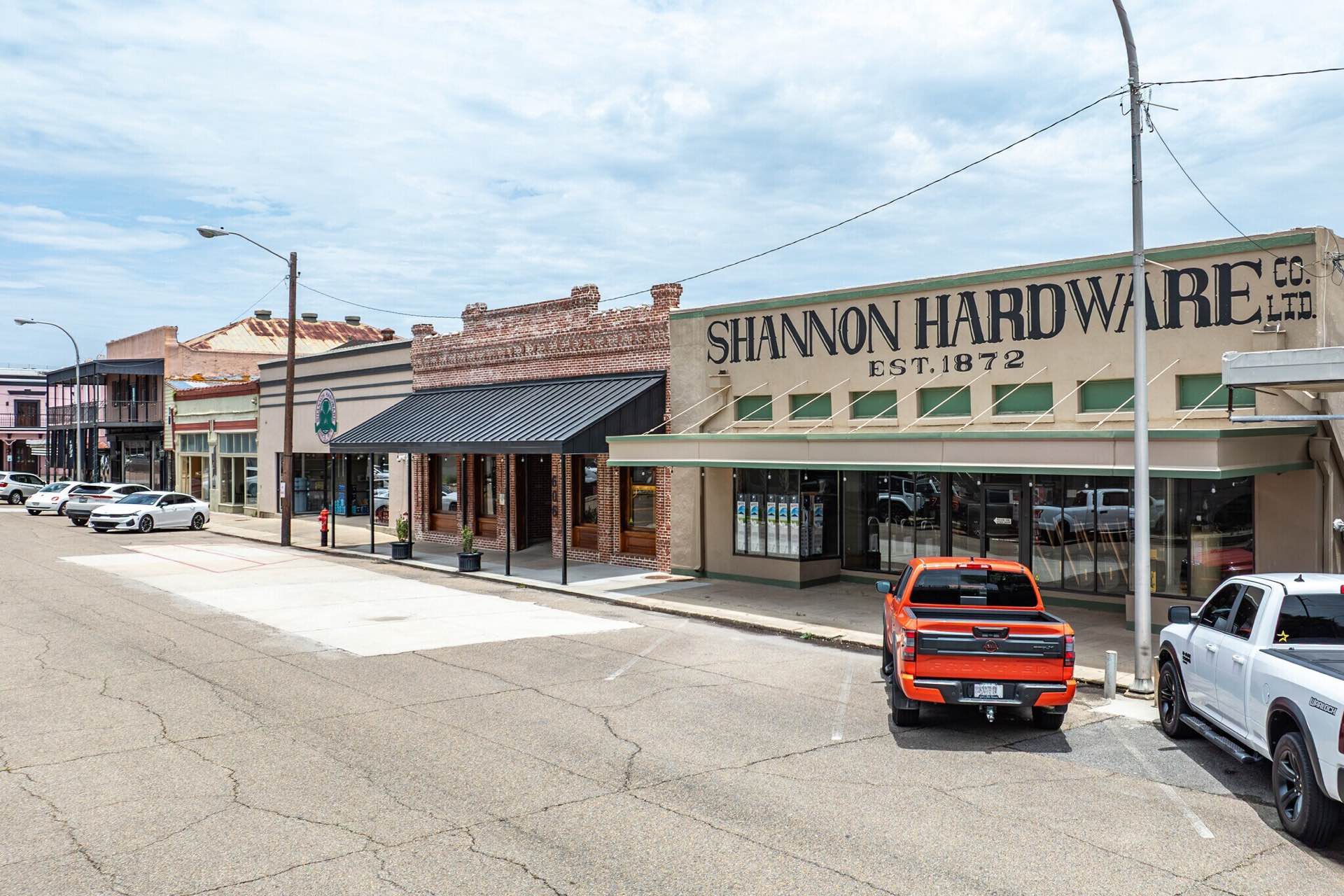
Recognized as a Main Street community in 1997, Morgan City’s revitalization efforts now encompass a nineteen-block historic district that honors its past while embracing its future. Today, the city serves as a gateway to the Atchafalaya Basin and a hub for marine, seafood, and energy industries. Yet despite technological advances and economic shifts, the rhythm of life remains tied to the river. Boats still leave before sunrise, church bells still ring on Sunday mornings, and families still gather along Front Street to celebrate a community defined by resilience, faith, and tradition.
Just as the Atchafalaya River continually flows, so does Morgan City. Its ebbs have shaped its character and strengthened its people. A steadfast spirit and an enduring belief in family, faith, and heritage make Morgan City not just a place on the map—but a place we proudly call home.
Morgan City Attractions
Explore Things to See In Morgan City
Discover parks, landmarks, venues, and must-see destinations throughout Morgan City for both residents and visitors to enjoy.